Choosing the right submersible pump comes down to four things: flow, head, pipework size and solids. Understanding these factors will help you select a pump that performs efficiently, avoids blockages and delivers reliable service over the long term.
Start with Flow, Head, Pipework and Solids
Before looking at pump models, ask three simple questions:
How much water needs to be moved? This is your flow rate, typically measured in litres per minute or litres per second.
How high does the water need to travel? This is known as static head. The greater elevation requires more pressure.
What is the size of the pipework? This is used to calculate the Friction Loss Head. The smaller the Pipe Diameter, and the Longer the Length of the Pipe run, the higher friction loss and pressure required
Total Head = Static Head + Friction Loss Head
What’s in the water? Clean water, stormwater, greywater and sewage all contain different levels of solids and require different pump designs.
Once you know the answers, it’s much easier to identify the right pump category.
General Dewatering and Wastewater
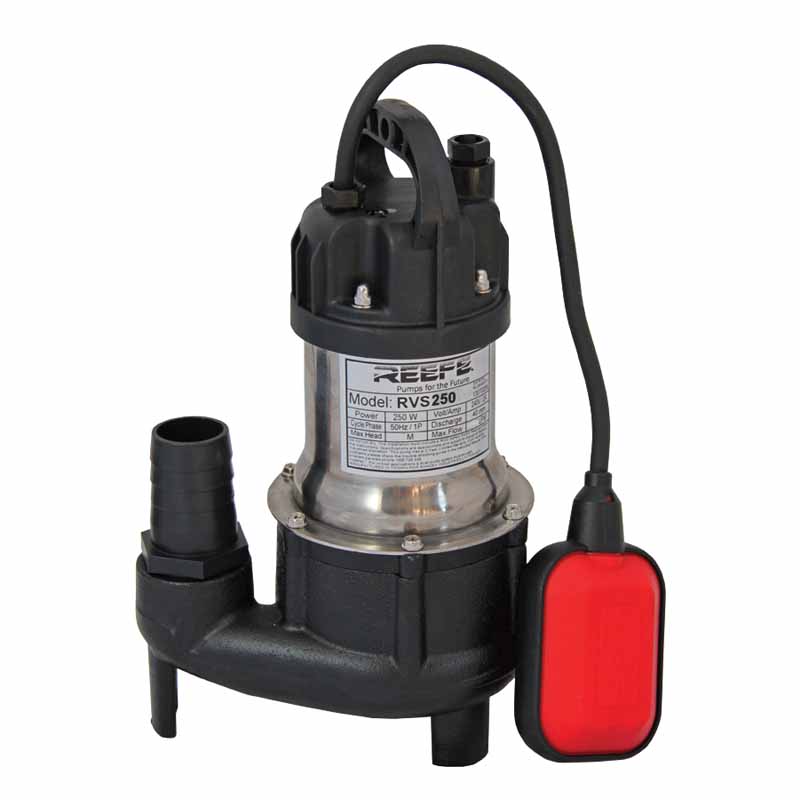
For sump pits, greywater transfer and general dewatering, vortex pumps are often the best option because they can pass soft solids while reducing the risk of blockages.
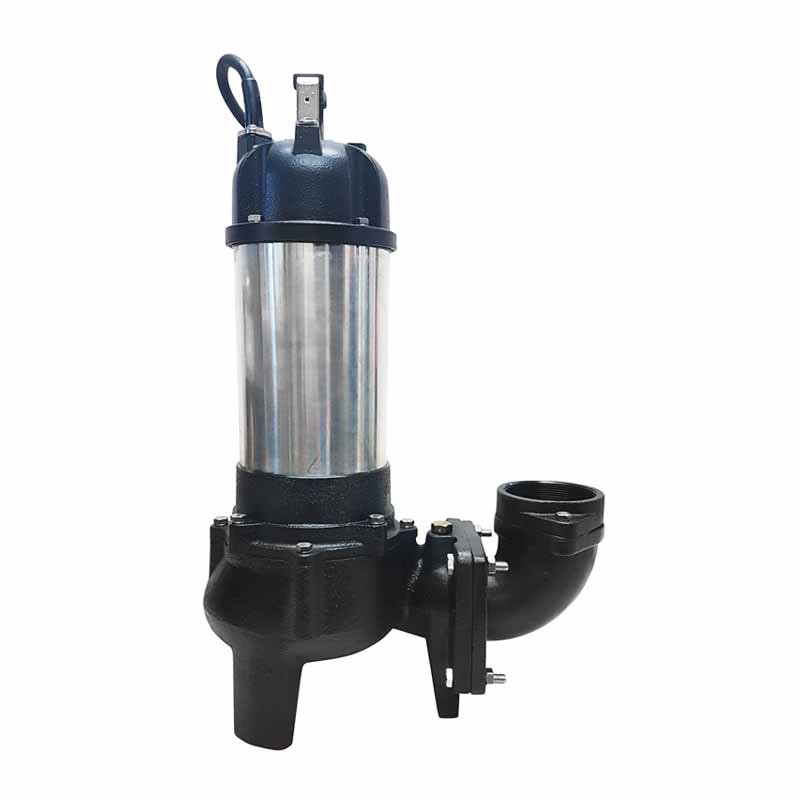
REEFE’s vortex pump range is suited to residential, commercial and light industrial applications where reliable wastewater handling is required. For applications requiring higher lift, twin-impeller pumps can provide additional head while still managing small solids.
High Head vs High Volume
A common mistake is choosing a pump based solely on flow rate.
Some jobs require water to travel long distances or significant heights. These applications need a high-head pump, commonly used for irrigation, rainwater transfer and treated effluent systems.
Other applications require large volumes of water to be removed quickly. In stormwater pits, basement car parks and flood-prone areas, a high-volume pump is often the better choice.
Understanding whether your application needs pressure or volume is critical to pump performance.
Sewage and Wastewater Applications
Where sewage contains wipes, fibrous material or other solids, a standard wastewater pump may not be suitable.
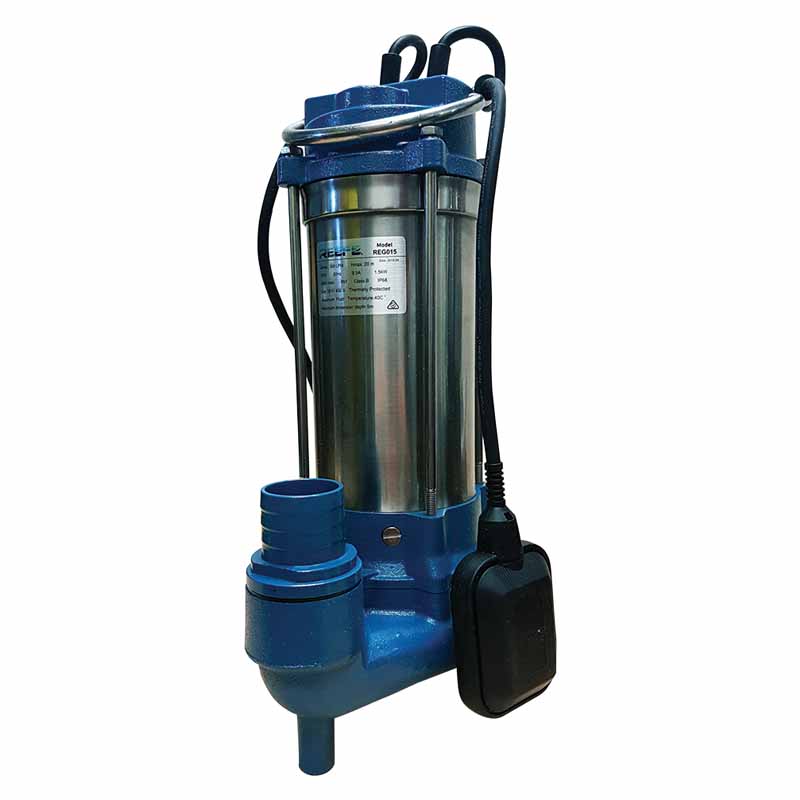
Cutter, macerator and grinder pumps use specialised cutting mechanisms to reduce solids before they enter the pump. These pumps are commonly used in domestic sewage systems, septic applications and commercial wastewater installations where reliability is essential.
Bore and Solar Pump Solutions
For groundwater extraction, bore pumps provide a reliable solution for irrigation, stock watering and water supply.
Where mains power is unavailable, solar-powered bore pumps offer an efficient off-grid alternative, using solar energy to supply water in remote locations.
Matching the Pump to the Application
A good starting point is to match the pump type to the job:
Sump pits and dewatering → Vortex pumps
Long-distance or elevated transfer → High-head pumps
Stormwater and flood control → High-volume pumps
Domestic sewage → Cutter or macerator pumps
Commercial sewage → Grinder pumps
Groundwater extraction → Bore pumps
Getting the Selection Right
The best submersible pump isn’t necessarily the largest or most powerful. It’s the one that matches the application’s flow, head and solids handling requirements.
Taking the time to assess these factors upfront can help prevent blockages, improve efficiency and extend pump life. If you’re unsure which pump is right for your application, your local REEFE distributor can help identify the most suitable REEFE solution.
Having difficulty finding the right product?
Call our friendly team on 1800 807 604 for assistance